What are the Most Important Items in Estate Planning?
Estate planning is the process of arranging, while you are alive, what will happen to your estate, your children and your wealth after you die.

Estate planning is the process of arranging, while you are alive, what will happen to your estate, your children and your wealth after you die.

COVID-19 is quickly becoming the leading cause of death in the United States. As of today, Indiana has over 37,000 cases of COVID-19 and over 2,100 deaths. That is why articulating your wishes regarding end-of-life health care, is more important than ever.
If you want a legal plan that avoids probate court, there are two options: first, an enhanced life estate deed, and second a living trust. Each has its pros and cons.
Beneficiaries of a trust typically pay taxes on the distributions they receive from the trust’s income, rather than the trust itself paying the tax. However, these beneficiaries are not subject to taxes on distributions from the trust’s principal.
Losing a loved one isn’t just an emotional burden—it also carries an administrative load. There are flower arrangements to pick, eulogies to write and a stream of paperwork to sort through.

Scammers gravitate to tightened finances, like moths to a flame. To complicate matters, shelter-in-place restrictions have pushed people to make more online transactions. That means new opportunities for fraudsters to take advantage of seniors, who may be new digital accountholders.

If you get COVID-19 and struggle to breathe, would you want to be put on a ventilator? Whatever your answer, ask yourself another question: Who would make your wishes clear, if you couldn’t speak for yourself?

Parents may delay creating an elder law estate plan, because of the in-law issue. Some parents are unfortunately estranged from an adult child, only because of the problematic son-in-law or daughter-in-law.
U.S. has been making it easier for people to access long-term savings for emergencies, trading future financial security to stay afloat.
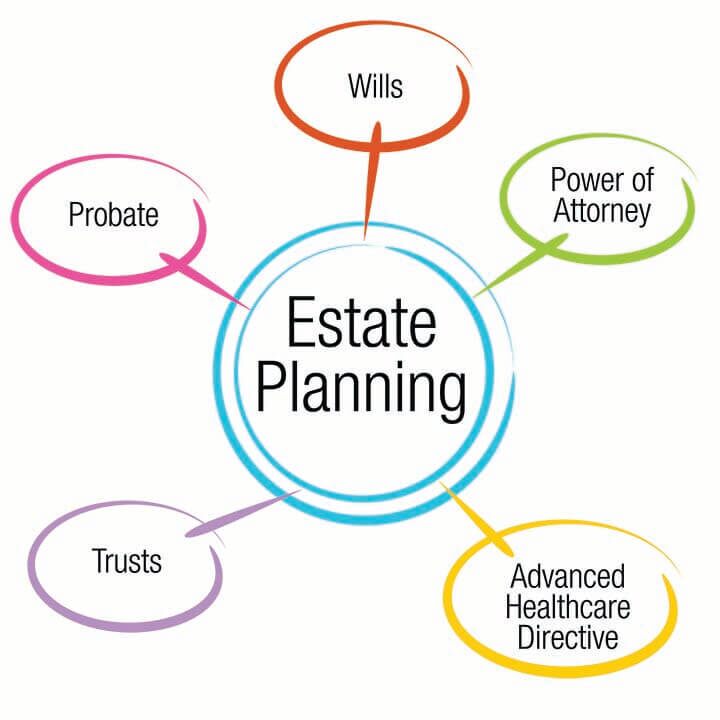
It’s never too early to start working on how your things will be handled, once you pass away.