
Get The Right Power of Attorney
When do you need your estate plan to ‘go to work’ for you? While you may think the right answer is ‘after I die,’ the actual answer is ‘if I lose the ability to manage my own affairs.’

When do you need your estate plan to ‘go to work’ for you? While you may think the right answer is ‘after I die,’ the actual answer is ‘if I lose the ability to manage my own affairs.’

Building enough wealth to sustain yourself in retirement is a monumental achievement. However, financial planning doesn’t end when you no longer rely on a paycheck.

If you have not already been inundated with invitations to webinars, articles and newsletters regarding estate planning, you should consider doing so before the end of the year, since you undoubtedly will receive these over the next few months.

If you’re single and die in 2020, you can have up to $11.58 million in assets before your heirs have to worry about paying a penny in estate taxes.

Second (or third or fourth) marriages often require careful balancing between the needs of the surviving spouse and the needs of the children from a previous marriage.

The inheritance you leave could be eaten away by taxes or given to the wrong person. Here are five tips to avoid that.

Estate planning is crucial, setting up a peace of mind for you, as you enter your senior years. Most people don’t create a will because they are afraid to even think about the possibility of death. It feels like too big of a responsibility.
Cornelius Vanderbilt was among the richest Americans ever to have lived. Born in 1794, he built his fortune on railroads and shipping. To put his wealth into context, in today’s dollars when adding inflation, his fortune would be worth $215.7 billion.

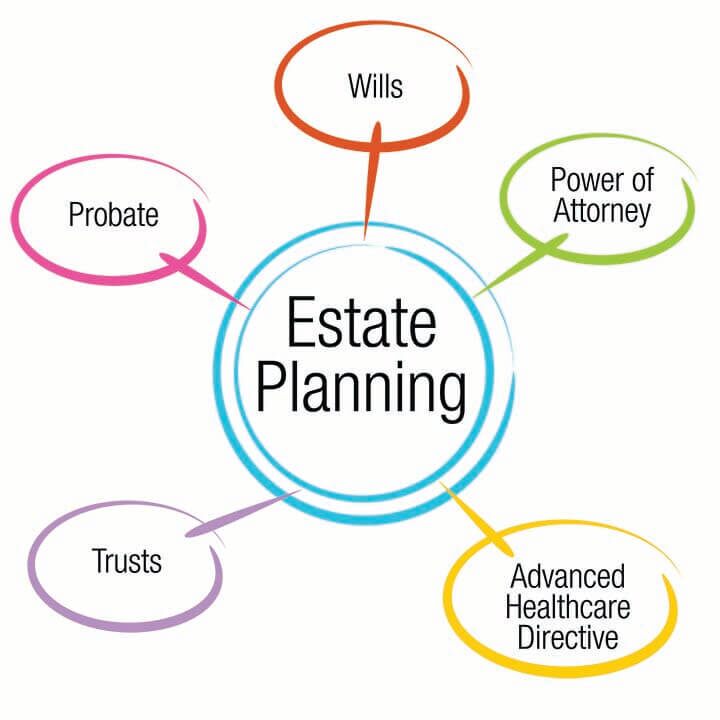
Probate is a process to transfer the assets after someone dies. For example, when a homeowner passes, probate allows for the home to be sold or transferred, if necessary, even though the owner is no longer alive to sign a deed.
It means you are in charge of managing the person’s assets after death, but what does it really mean? An executor has many roles and responsibilities. Executors should first understand it is a significant responsibility and not something to be taken lightly.